

SSAMM Congress Articles (LinkedIn needed)
Read More for information Click here
-
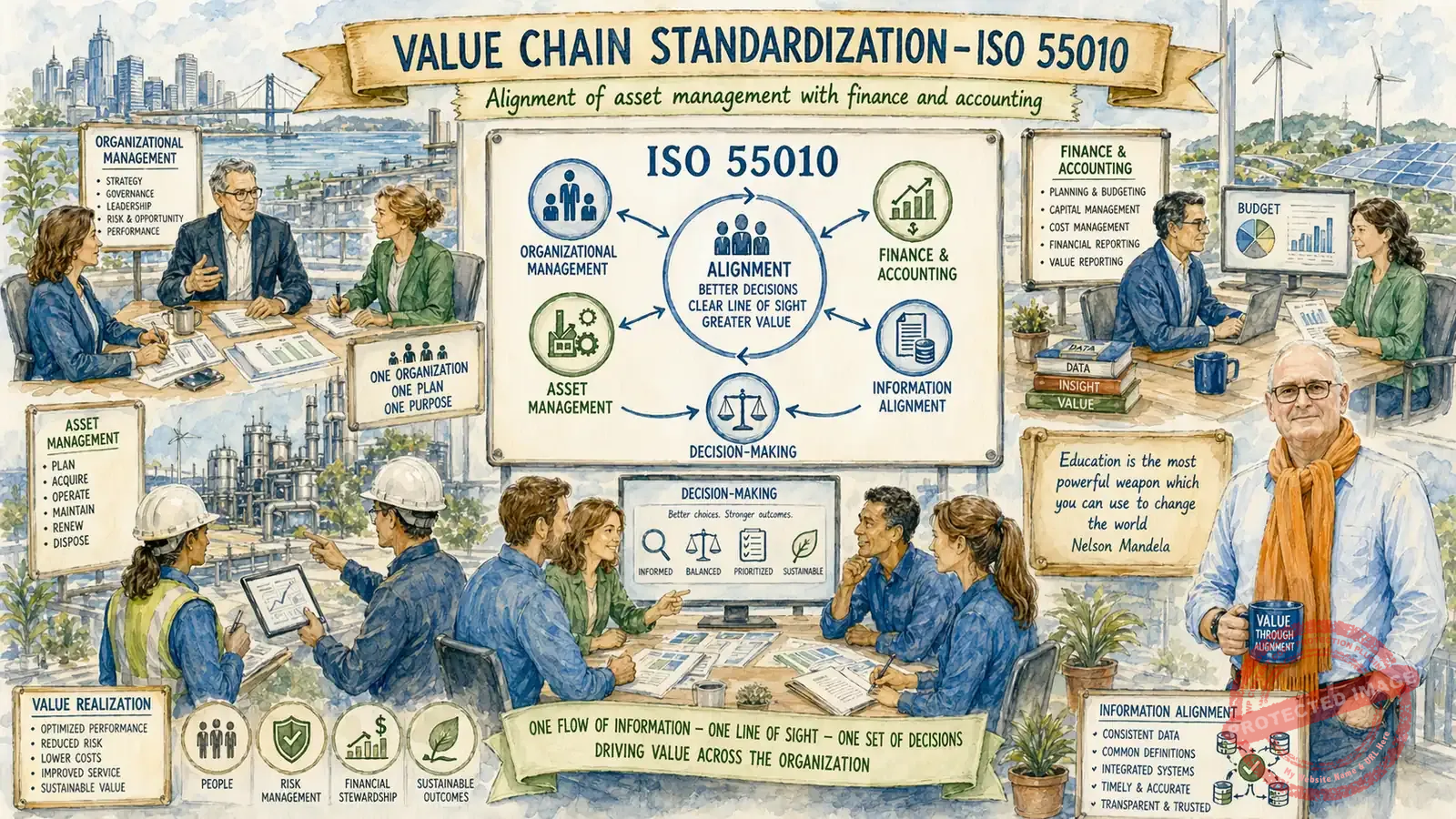
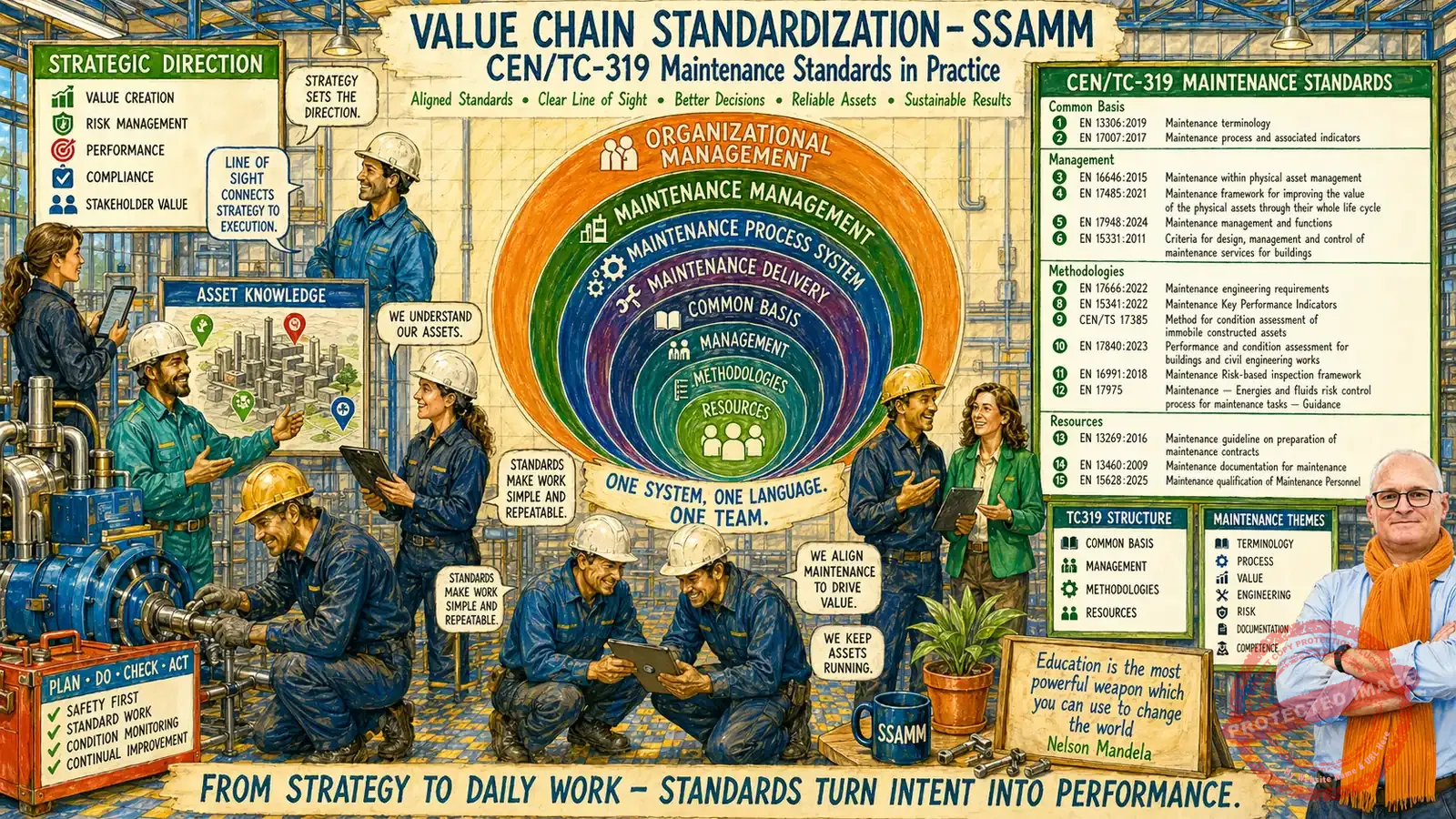
From Standards to Value: Creating a True Line of Sight
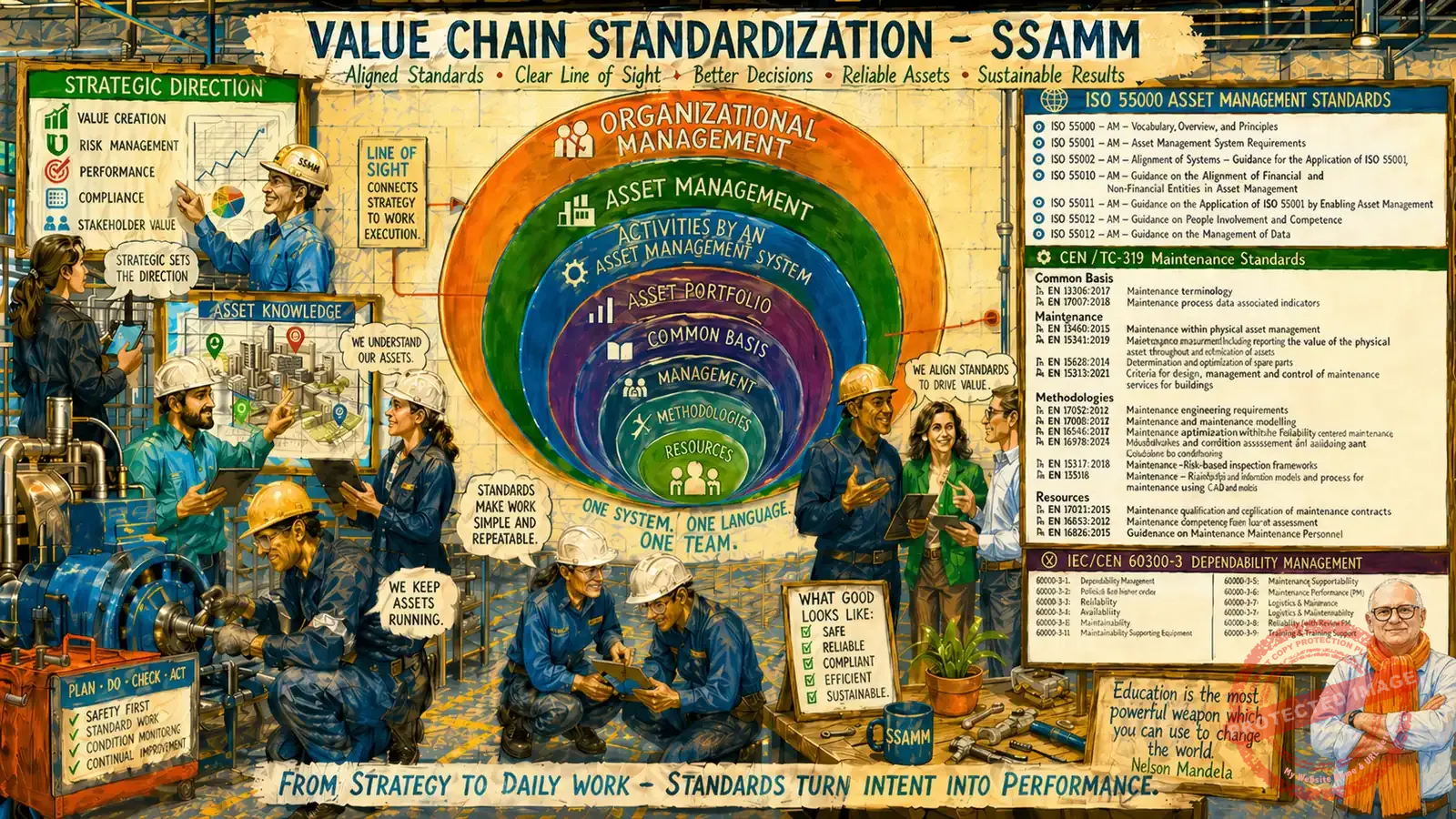
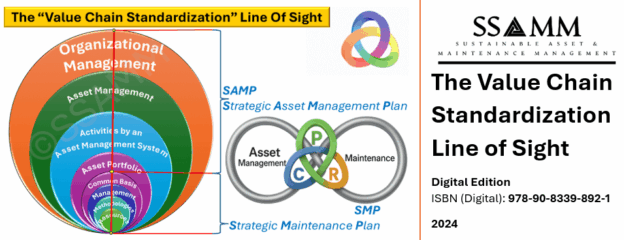
Standards only create value when they are connected to the way people make decisions and execute work. In this opening article, SSAMM envoy Jan Stoker shows how ISO 55000, CEN/TC 319 and IEC 60300-3 can be read as one coherent Line of Sight: from organisational objectives to asset management, maintenance, dependability, data, roles and daily execution.
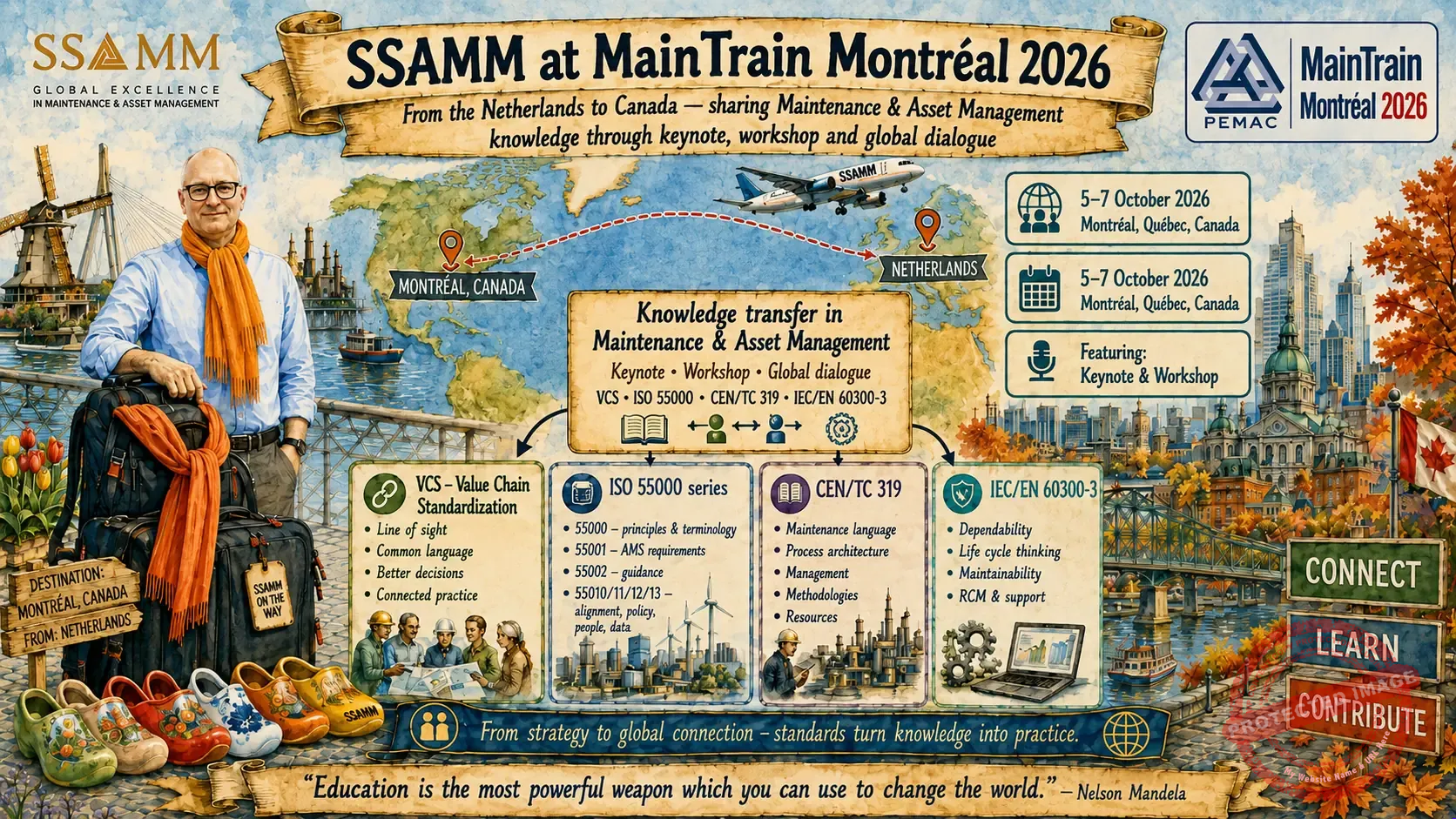
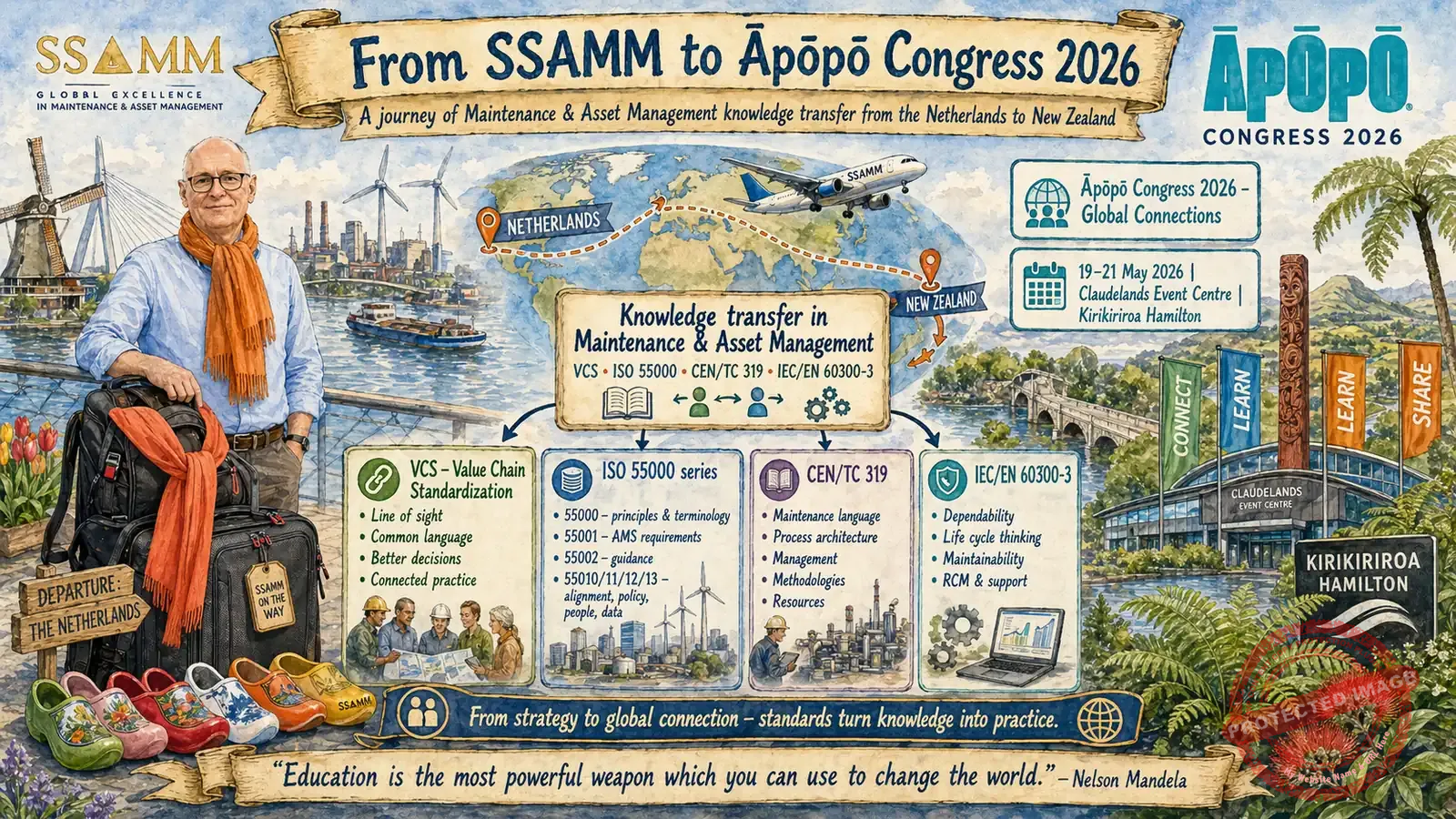
This article sets the scene for the keynote and workshop Jan Stoker will deliver at the PEMAC-Maintrain Conference 2026. It invites readers to ask one simple but powerful question: where does the Line of Sight stop in your organisation? Click Here
-
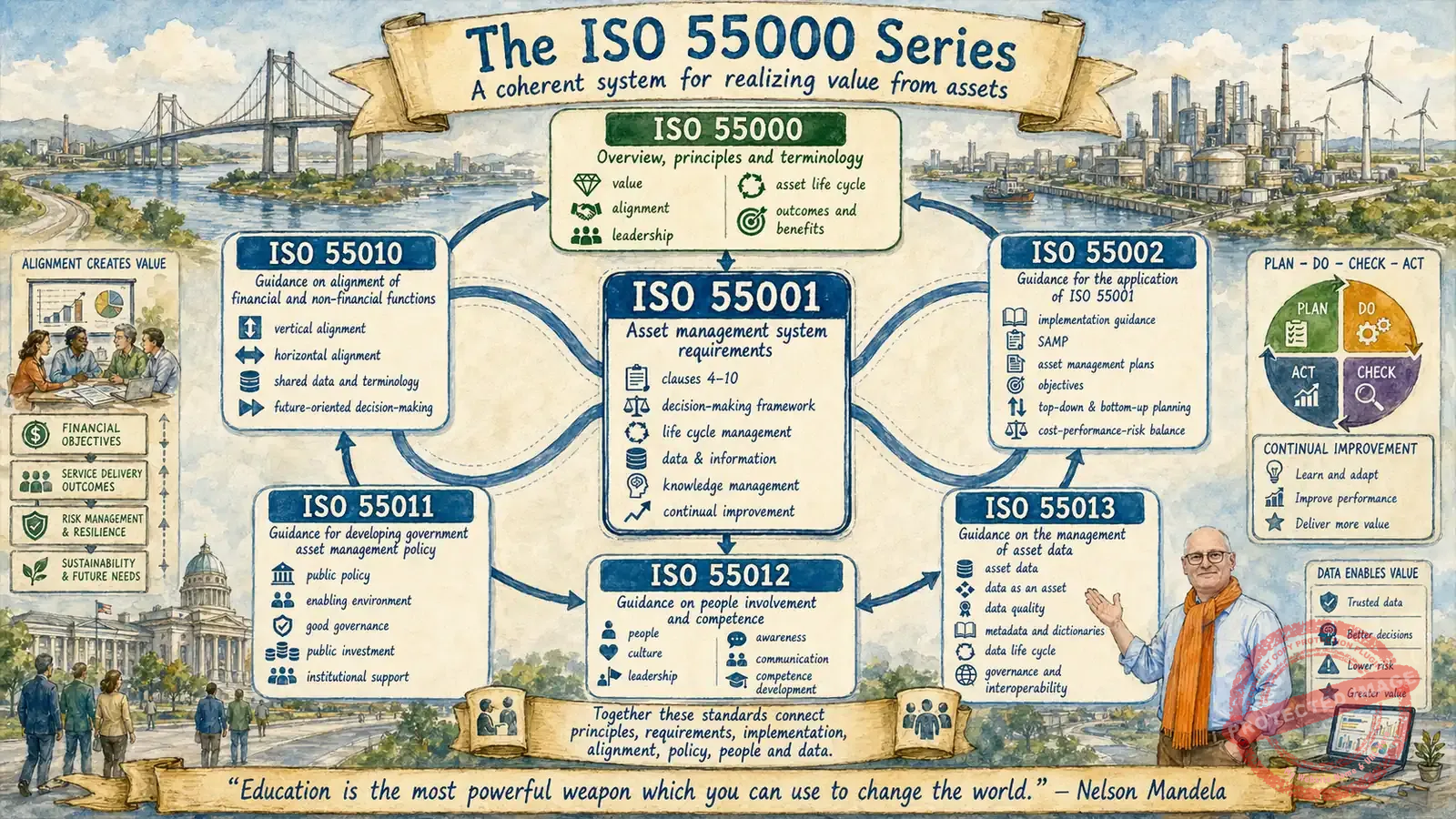
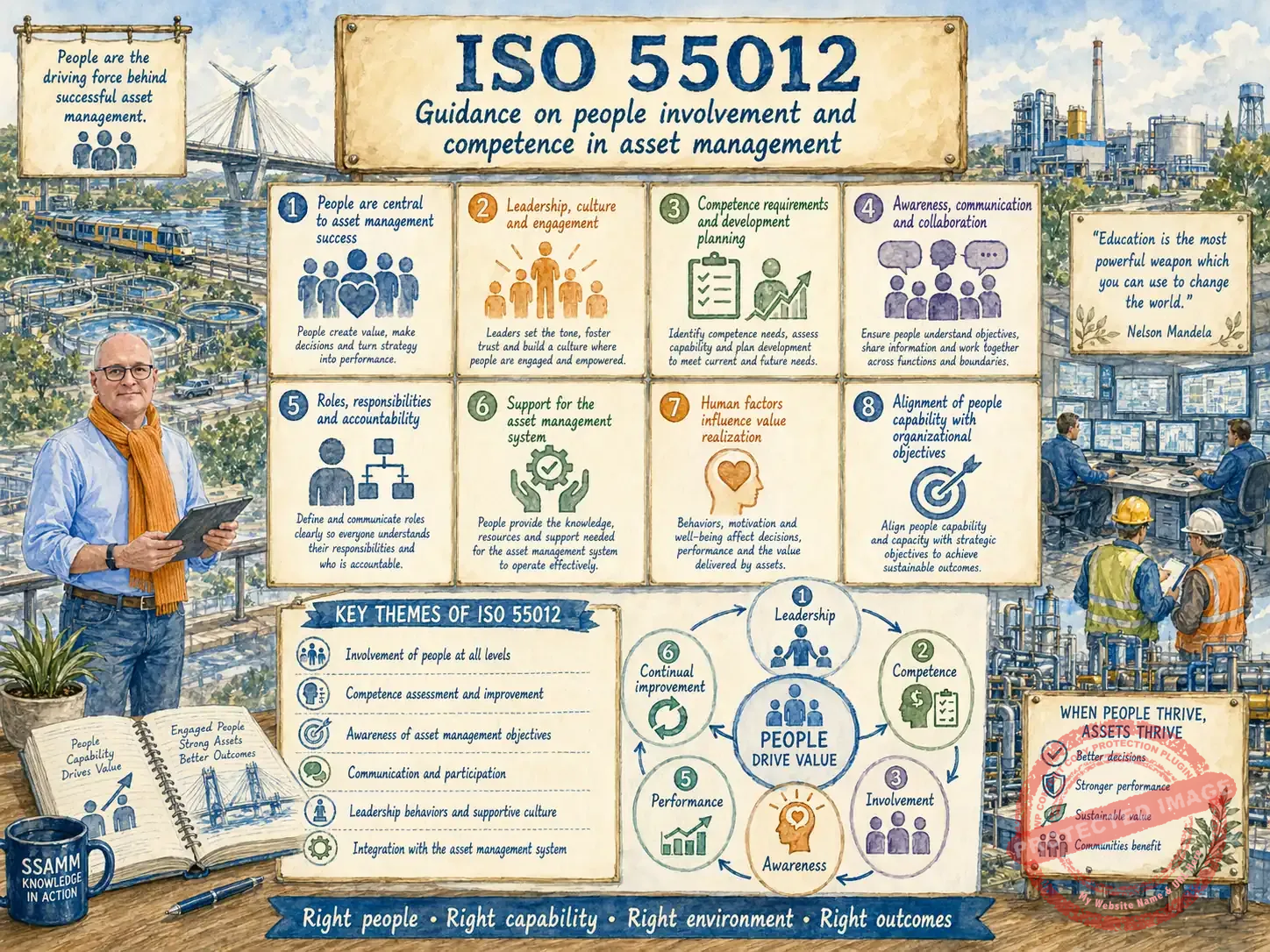
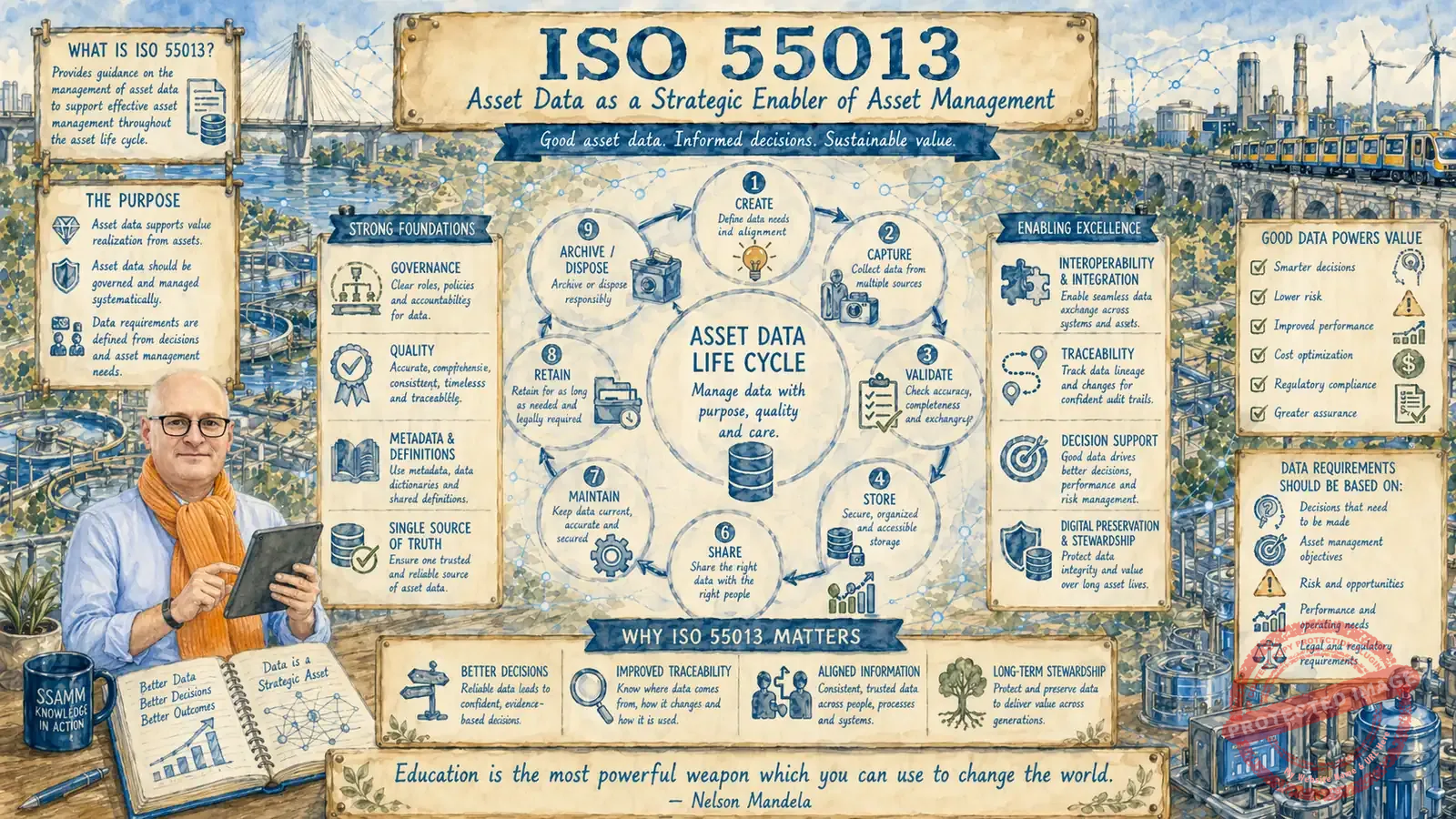
From Standards to Value: Understanding the ISO 55000 Series as One Coherent Asset Management System
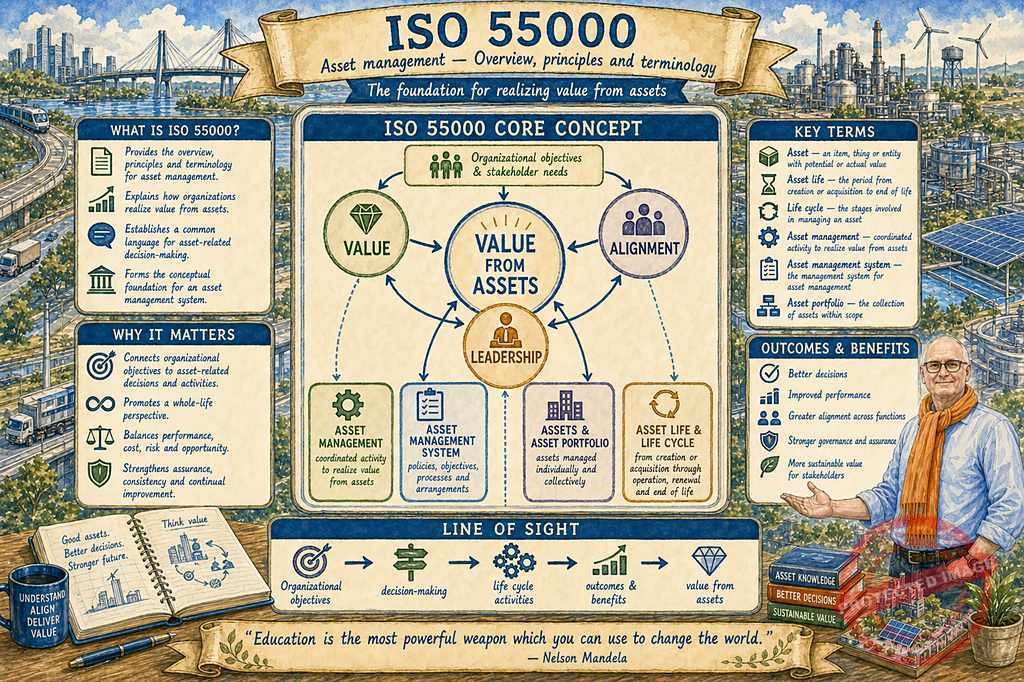
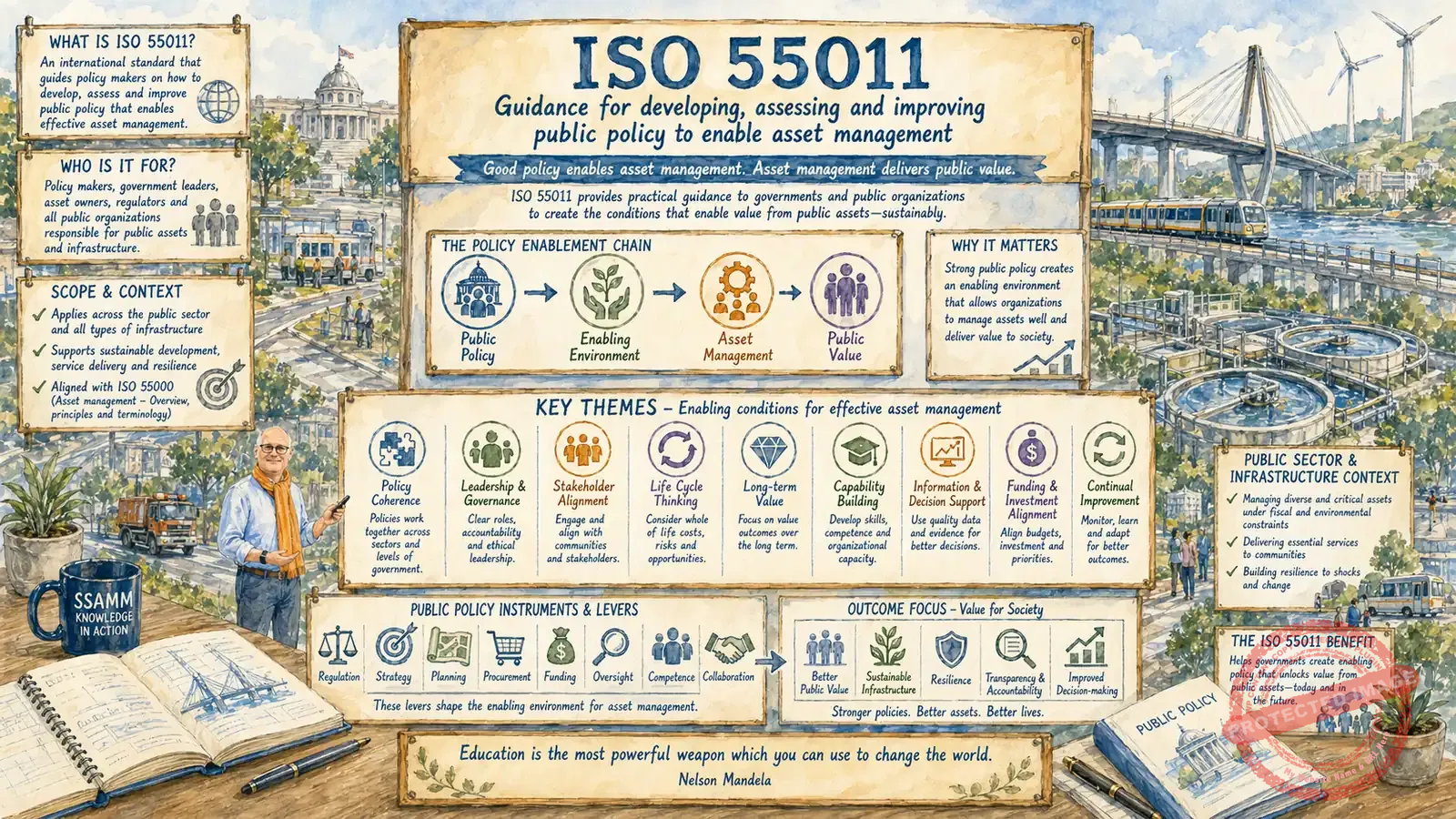
The ISO 55000 series is more than a set of separate standards. In this second article, SSAMM envoy Jan Stoker explains how ISO 55000, ISO 55001, ISO 55002 and the supporting guidance documents work together as one coherent Asset Management System: connecting value, requirements, finance, public policy, people, data, decisions, assurance and continual improvement.
This article builds on the Value Chain Standardization Line of Sight introduced in Article 1 and takes readers deeper into the ISO 55000 series itself. It shows why ISO 55001 should not be treated as a certification checklist, but as a structured management system that connects organisational objectives to asset-related decisions, daily work, evidence and learning.
The article also sets the foundation for the keynote and workshop Jan Stoker will deliver at the PEMAC-Maintrain Conference 2026. It invites readers to ask one practical question: are we using ISO 55000 as a document set, or as a management instrument for creating value from assets? Click Here
-
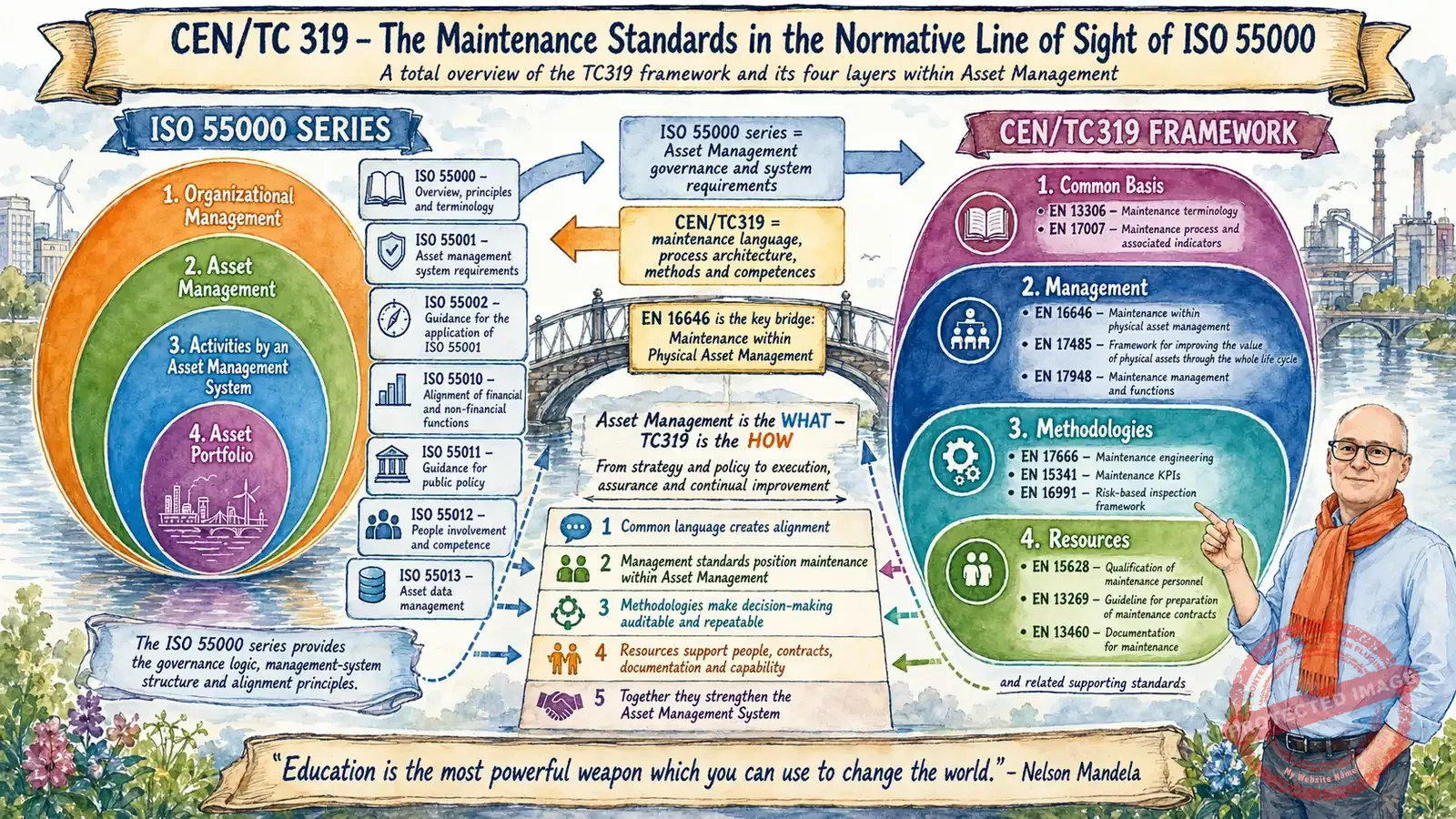
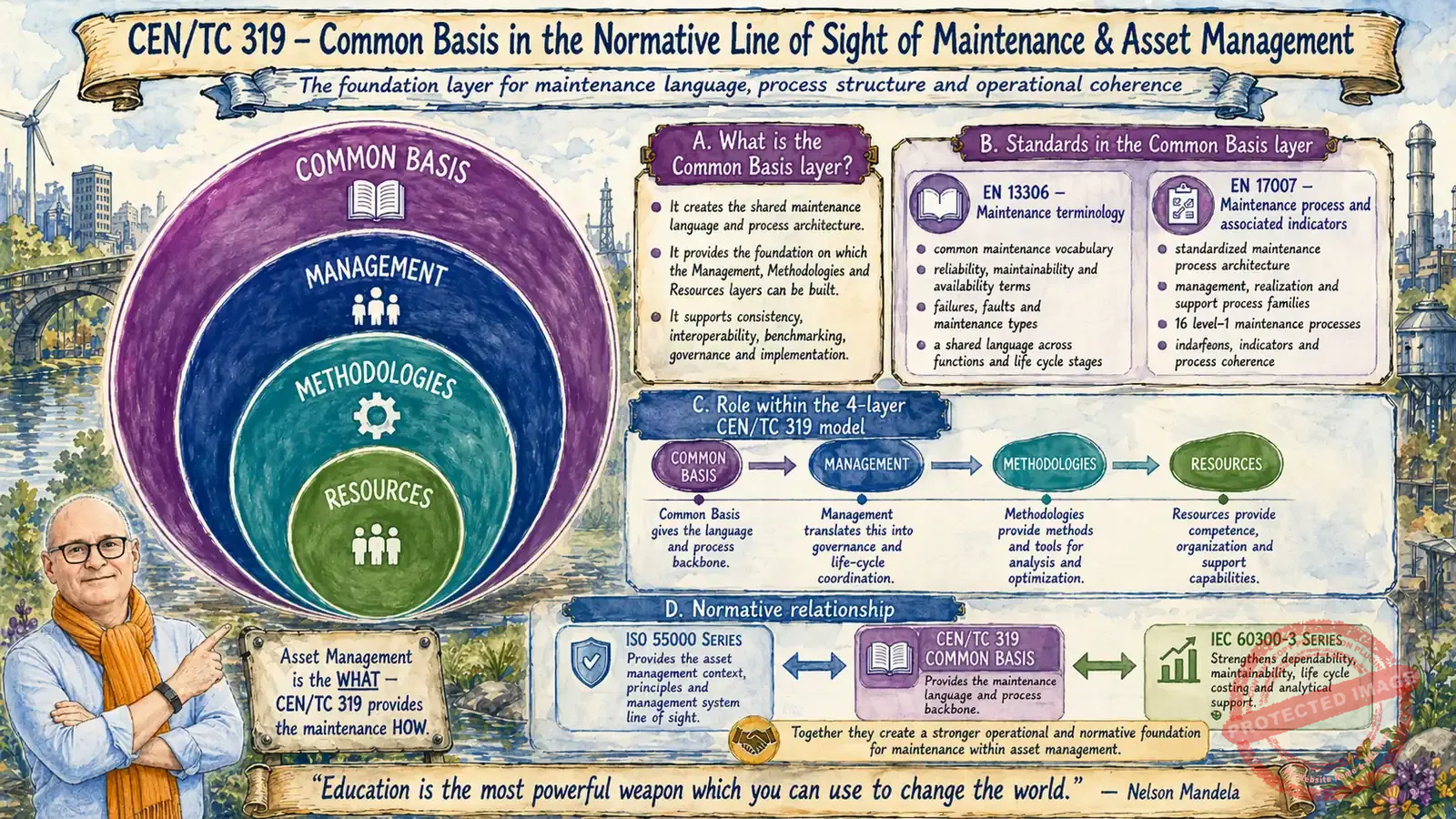
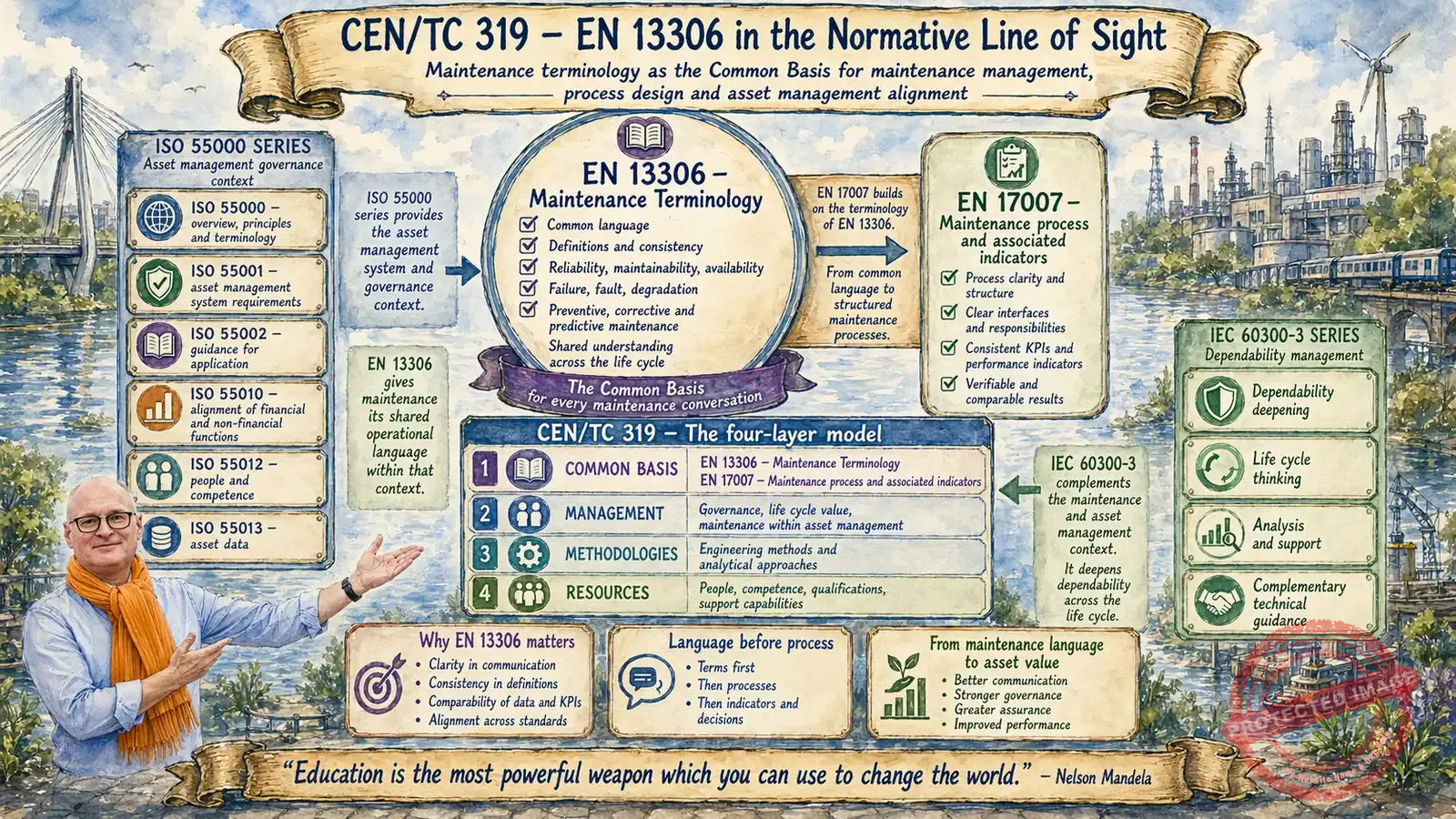
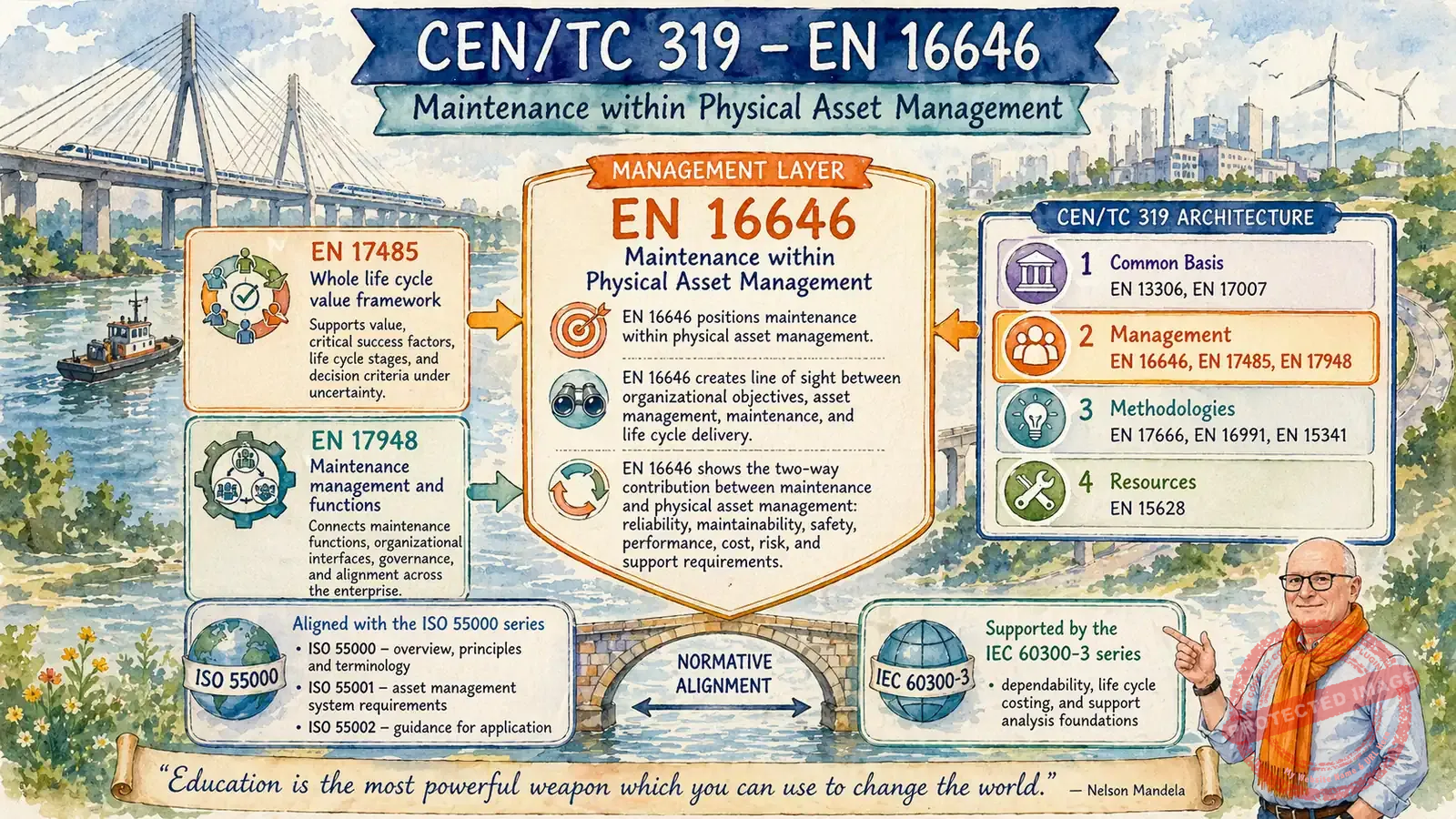
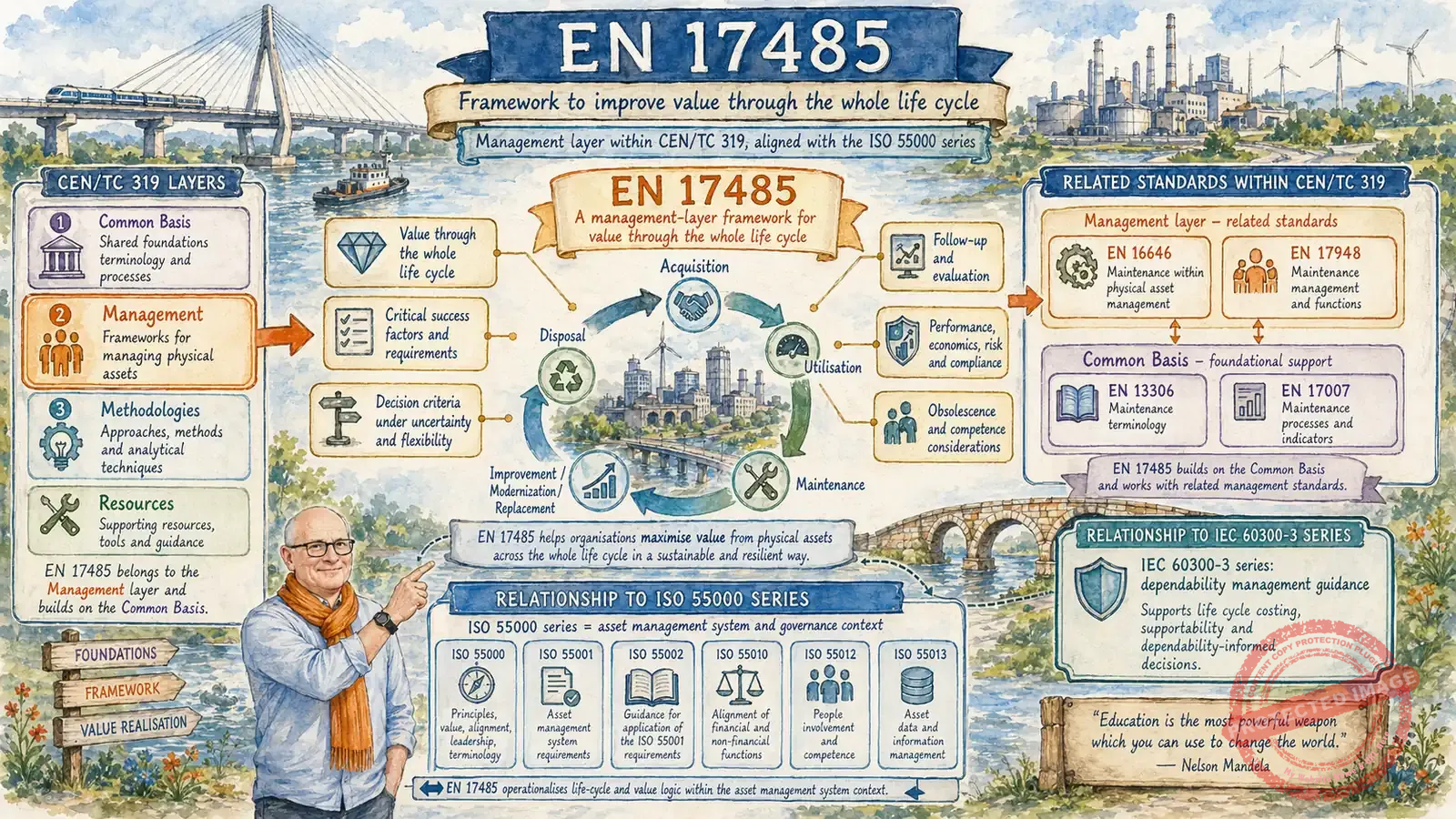
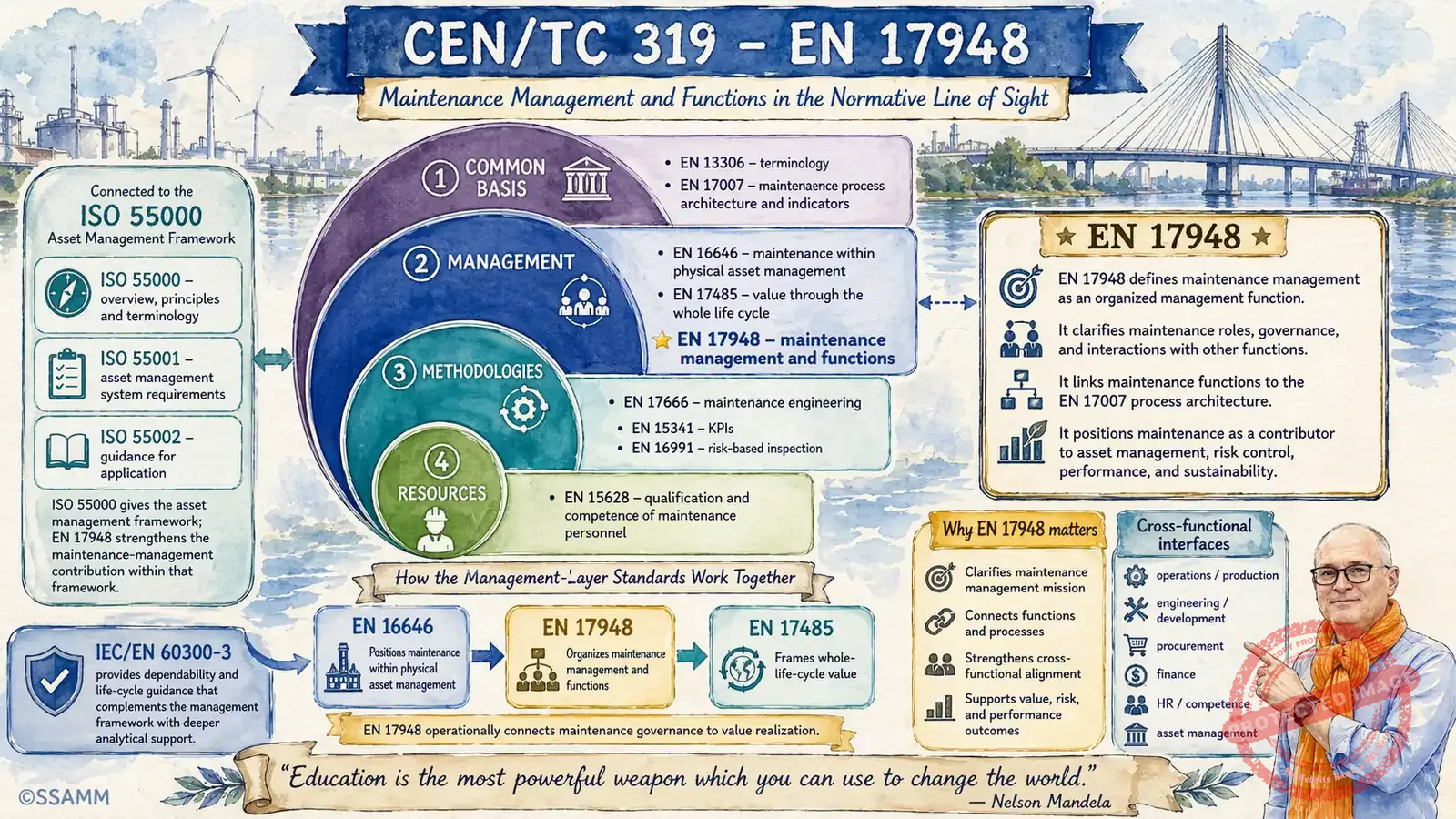
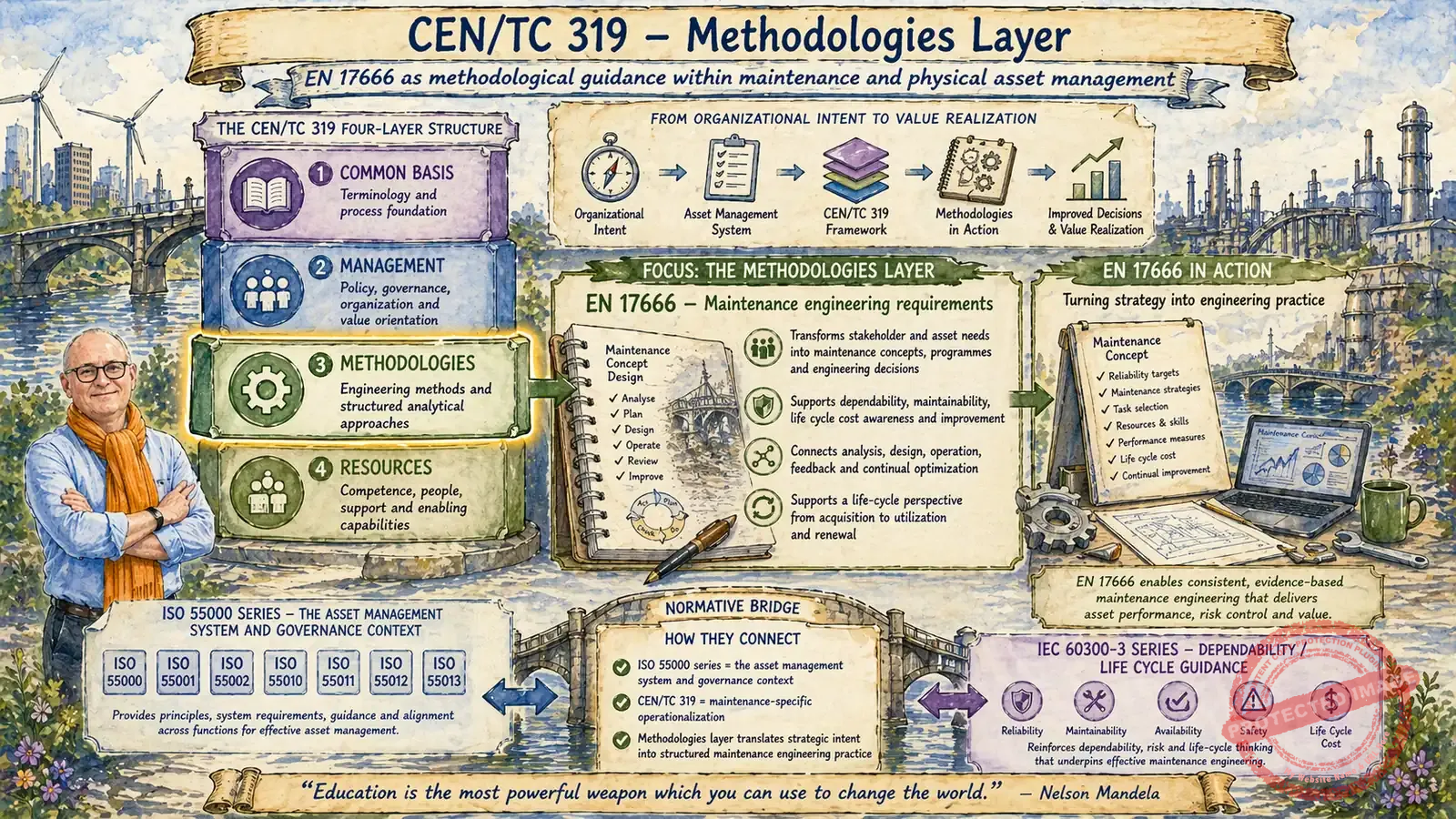
CEN/TC 319: Bringing Maintenance into the Normative Line of Sight of ISO 55000
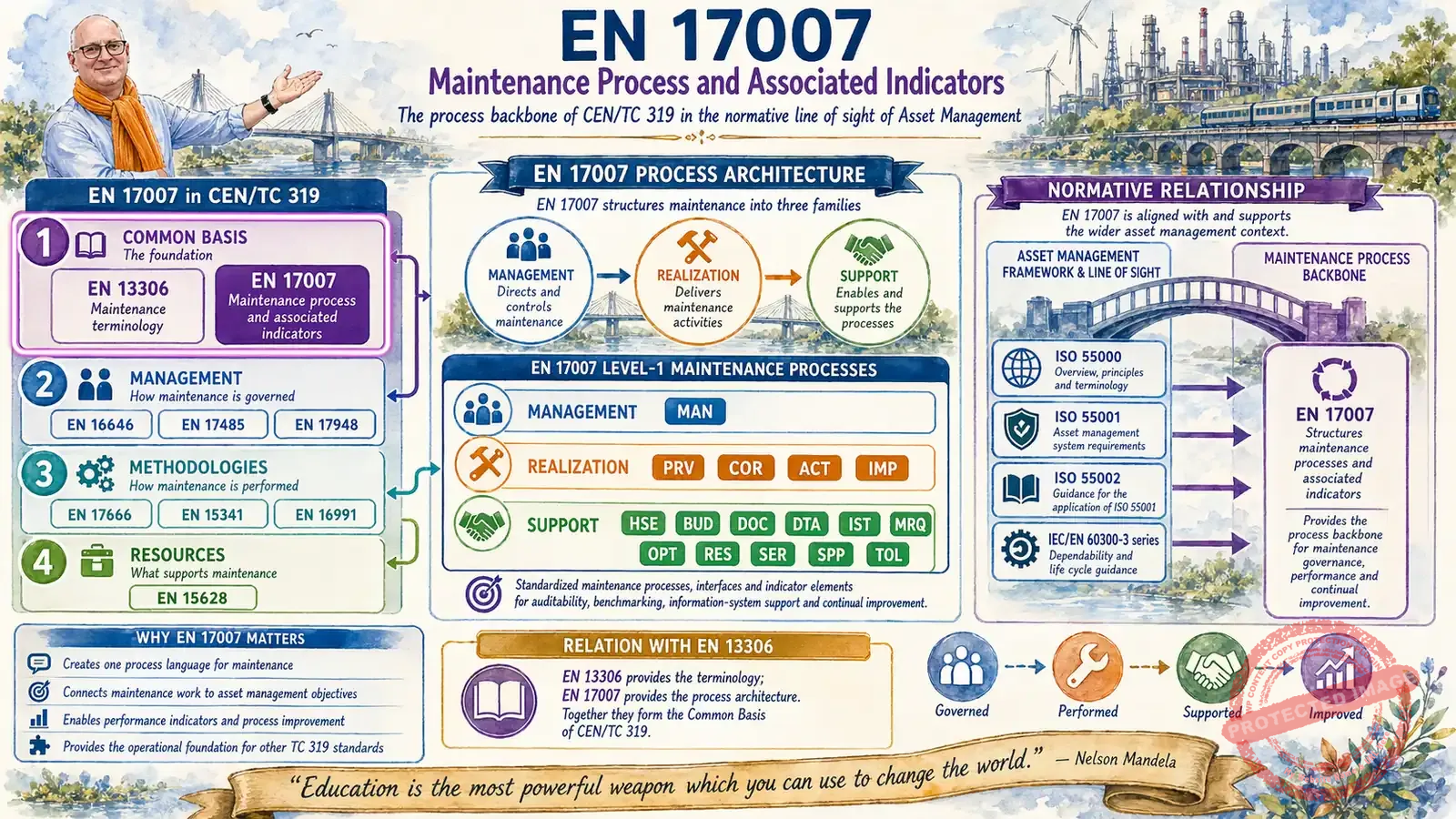
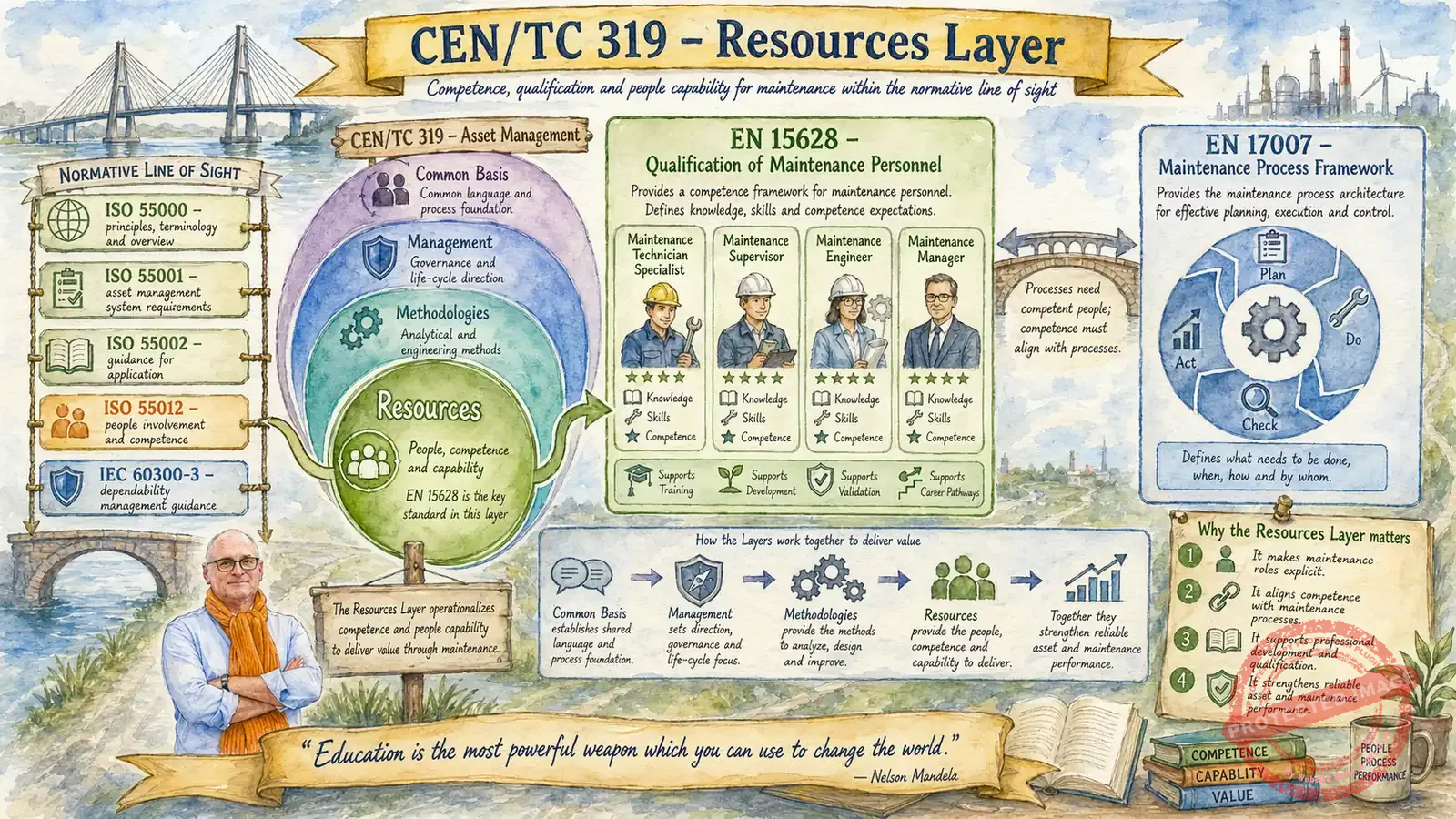
In this third article, Jan Stoker explains how the CEN/TC 319 maintenance standards create a structured bridge between maintenance practice and the broader ISO 55000 Asset Management System. Where ISO 55000 describes asset management as a coordinated activity to realise value from assets, the TC 319 standards show how maintenance contributes to that value in practice — across the full asset life cycle. The article positions EN 13306 and EN 17007 as the common basis. EN 13306 provides the shared terminology for maintenance, while EN 17007 describes maintenance as a manageable process with inputs, outputs, responsibilities and indicators.
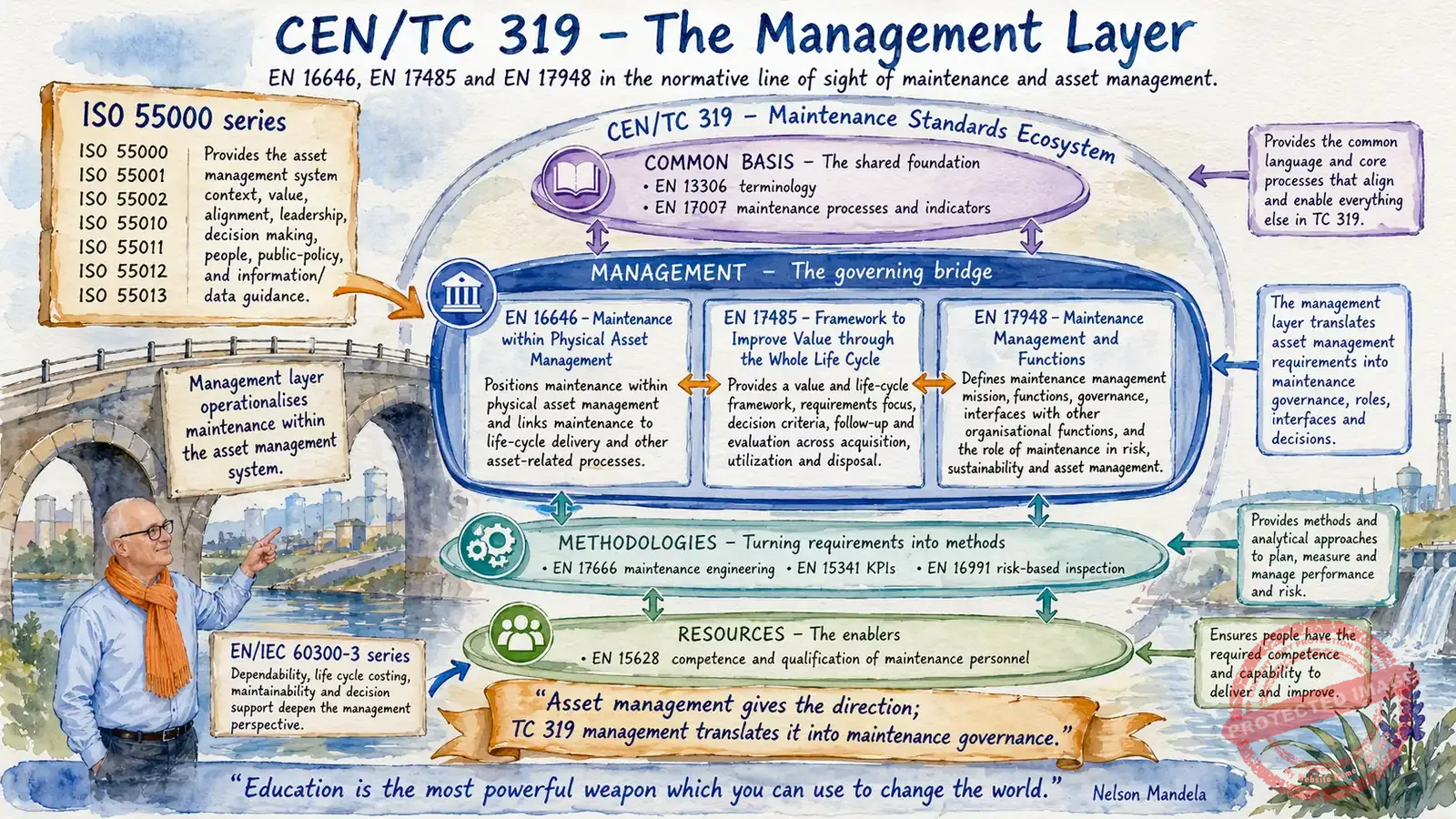
From there, standards such as EN 16646, EN 17948 and EN 17485 strengthen the management layer. They connect maintenance with physical asset management, maintenance management, lifecycle decisions, performance, risk, cost and continual improvement. EN 15628 adds the competence perspective by defining maintenance roles and qualification expectations. The central message is clear: maintenance is not an isolated operational activity. It is a value-driven management function that supports performance, reliability, safety, compliance, lifecycle cost control and assurance.
Through CEN/TC 319, maintenance gains a clear normative line of sight into ISO 55000: from terminology and processes to management, decision-making, competence and value realisation. Click Here
-
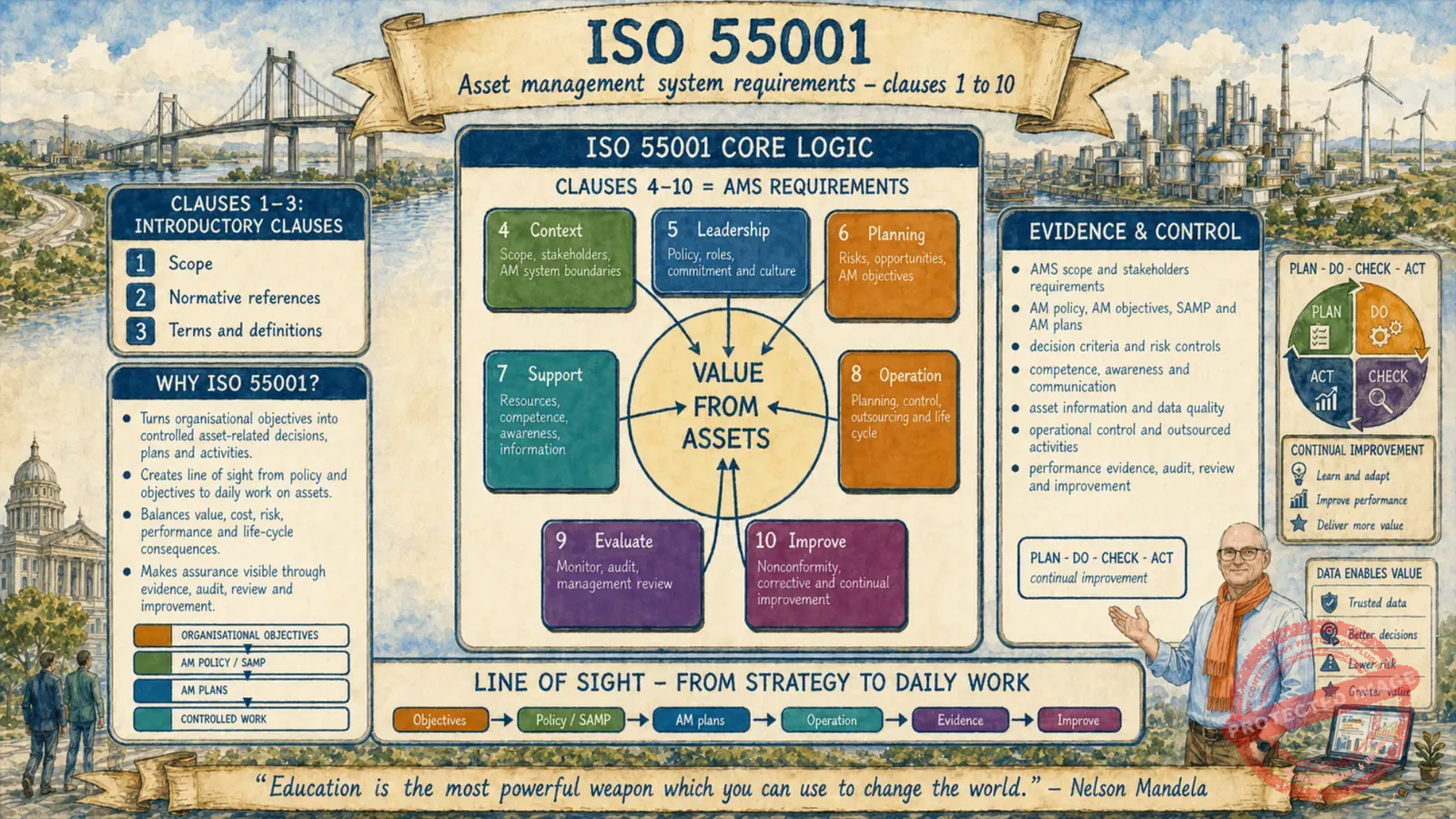
From ISO 55001 to Value: Building the Asset Management System that Makes Asset Management Work
In this fourth article, Jan Stoker explains that ISO 55001 is not simply a certification checklist, but the management-system logic that makes asset management work in practice. The article positions the Asset Management System (AMS) as the operating architecture that connects policy, objectives, SAMP, asset management plans, roles, decision criteria, processes, competence, information, operational control, performance evaluation and improvement.
The central message is that asset management only creates value when these elements are connected into a reliable line of sight: from organisational objectives to asset-related decisions and daily work — and back again through evidence, performance data, maintenance feedback, audit and management review. The article also shows how CEN/TC 319 strengthens the AMS by making maintenance explicit, governable and auditable within the broader ISO 55001 logic.
In short: ISO 55001 turns asset management principles into a working system for value realisation, control, assurance and continual improvement. Click Here
-
From Standards to Value: Making Maintenance Strategic in the Asset Management System
In this fifth article, Jan Stoker explains that maintenance only becomes strategic when it is structurally connected to value, governance, decision-making and the life cycle of physical assets.
The article positions the CEN/TC 319 management layer as the bridge between ISO 55000 asset management logic and maintenance practice. EN 16646 shows where maintenance belongs within physical asset management, EN 17948 explains how maintenance management is governed as an organisational function, and EN 17485 connects maintenance knowledge to strategic and tactical asset decisions. The central message is that maintenance is not merely operational execution. Maintenance provides essential evidence about degradation, reliability, maintainability, technical risk, condition and workability — evidence that must inform asset management decisions.
The article also strengthens the line of sight: from organisational value to asset management, from asset management to maintenance management, and from maintenance evidence back to performance evaluation, management review and improved decision-making.
In short: maintenance moves from operational pressure to strategic contribution when it is positioned, governed and connected to life-cycle value. Click Here
-
From Standards to Value: From Maintenance Processes to People Capability
In this article, Jan Stoker shows that maintenance creates value only when processes and competences are connected. EN 17007 describes the maintenance process; EN 15628 describes the knowledge, skills and responsibilities required for maintenance roles. The core idea is Process-to-Competence Mapping: not job titles or training programmes are central, but what people must be able to demonstrate within the maintenance process.
In short: standards create real value only when people apply them competently in daily practice, supported by clear evidence, shared language and organisational alignment. This makes training, assessment and role development more transparent and directly linked to organisational performance, reliability and long-term value creation. Click Here
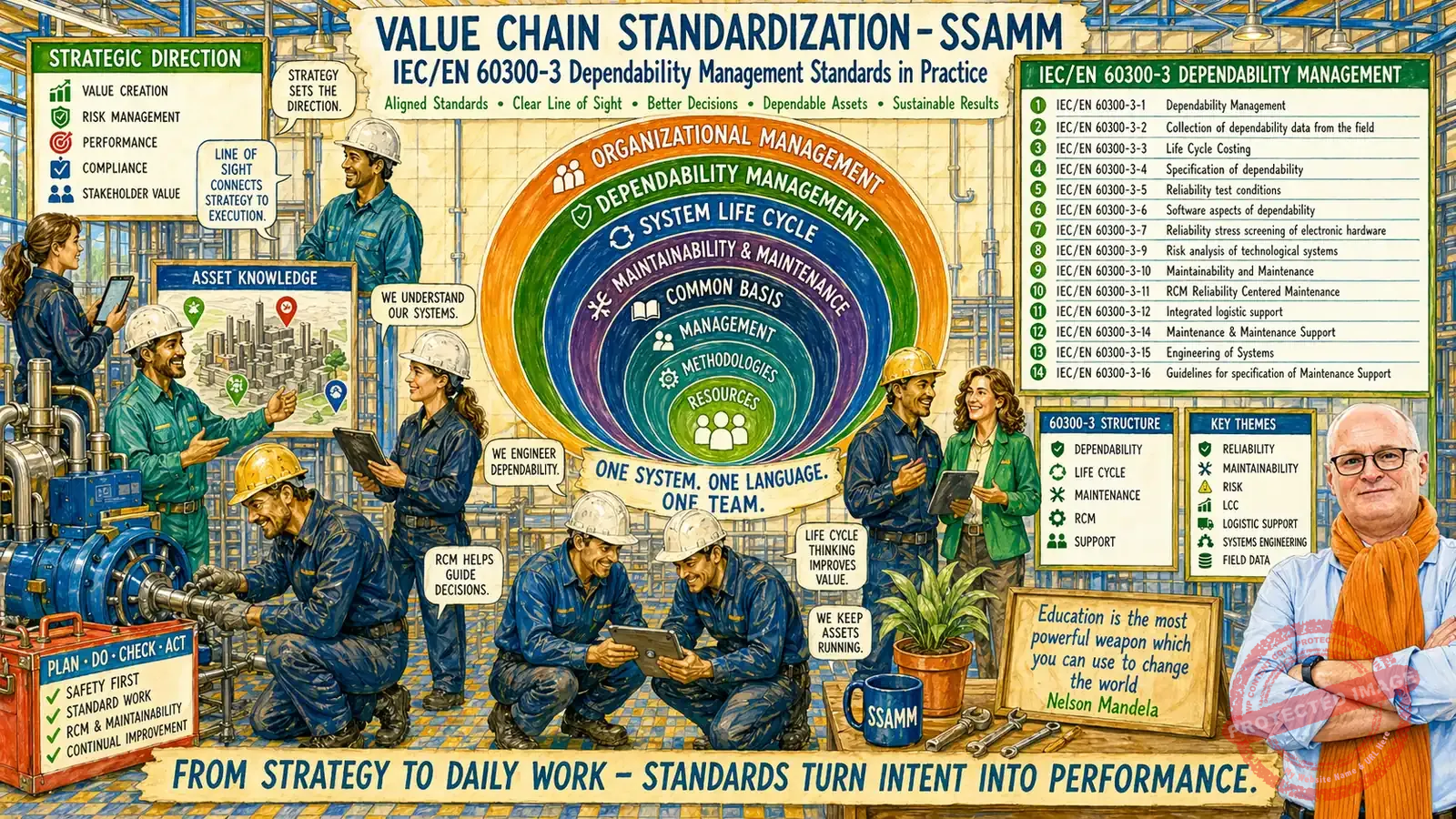
- The 60300-3 suite: Dependabilty Management in the VCS Line of Sight
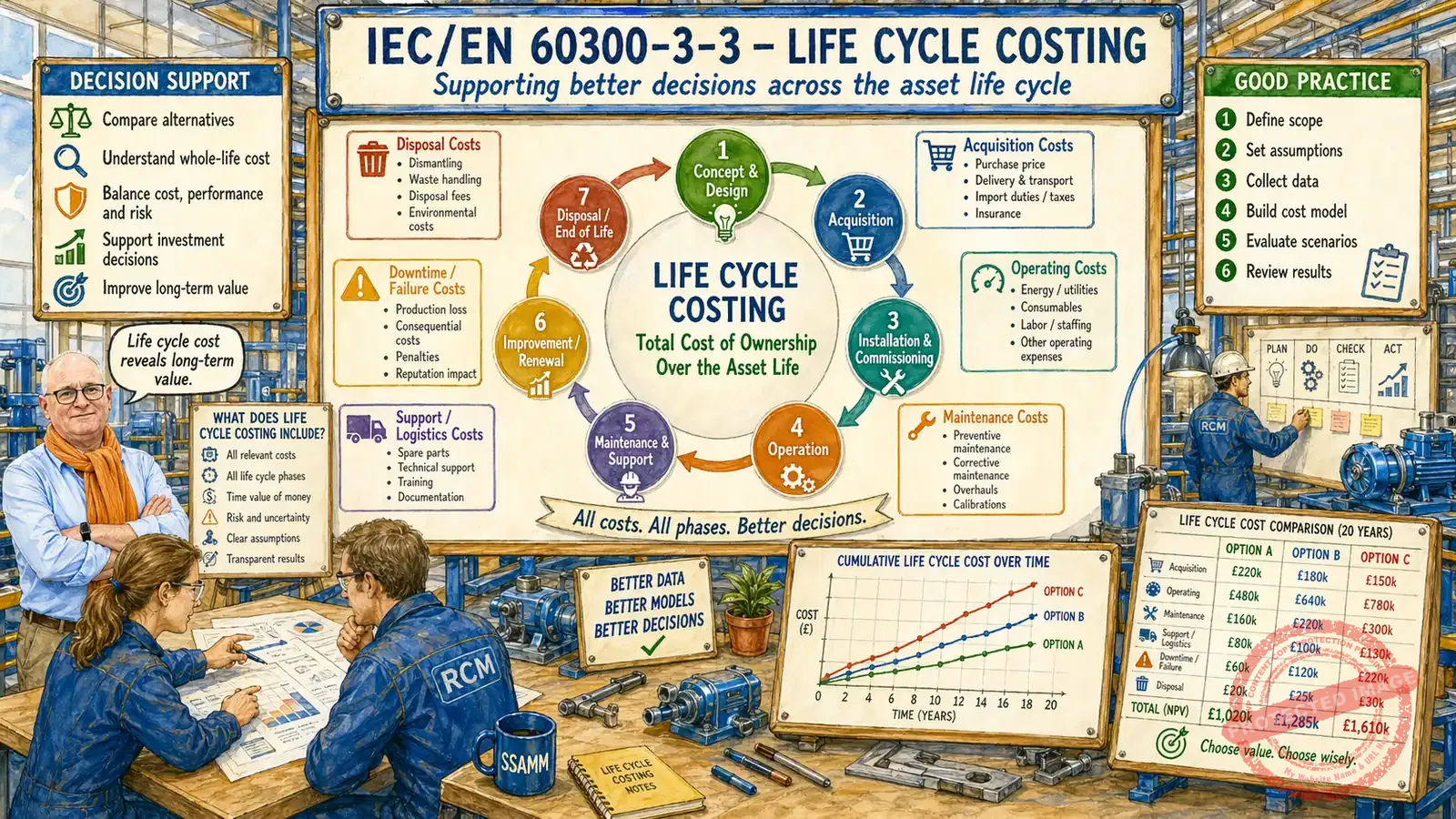
In this seventh article, Jan Stoker explains how the IEC/EN 60300-3 series adds the dependability method layer to the Value Chain Standardization Line of Sight. Where ISO 55000 provides the asset management value logic and CEN/TC 319 structures maintenance as a professional discipline, IEC/EN 60300-3 helps connect asset requirements, design choices, maintainability, supportability, life cycle costing, RCM, field data and continuous improvement.
The central message is that dependability is about creating justified confidence that assets can perform as required over time. It brings reliability, availability, maintainability, supportability, cost, risk and evidence together into one practical decision logic. The article shows why maintenance becomes strategic when it does more than keep assets running. Maintenance also influences design, investment decisions, failure behaviour, life cycle cost and future performance.
In short: dependability turns asset requirements into confidence in performance and connects asset management, maintenance management and maintenance engineering into one coherent standards-based line of sight. Click Here
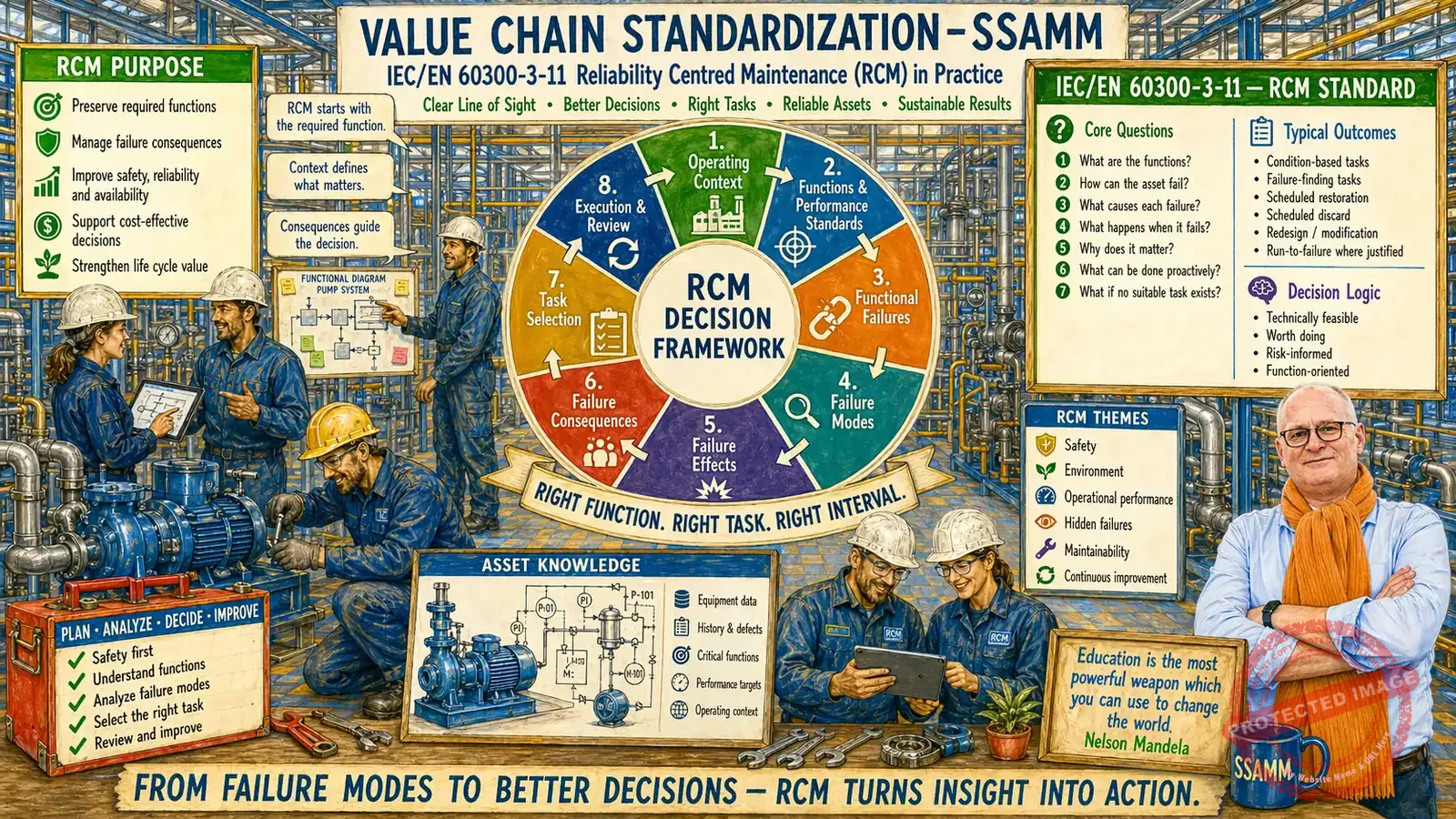
8. Reliability Centred Maintenance in The VCS Line of Sight
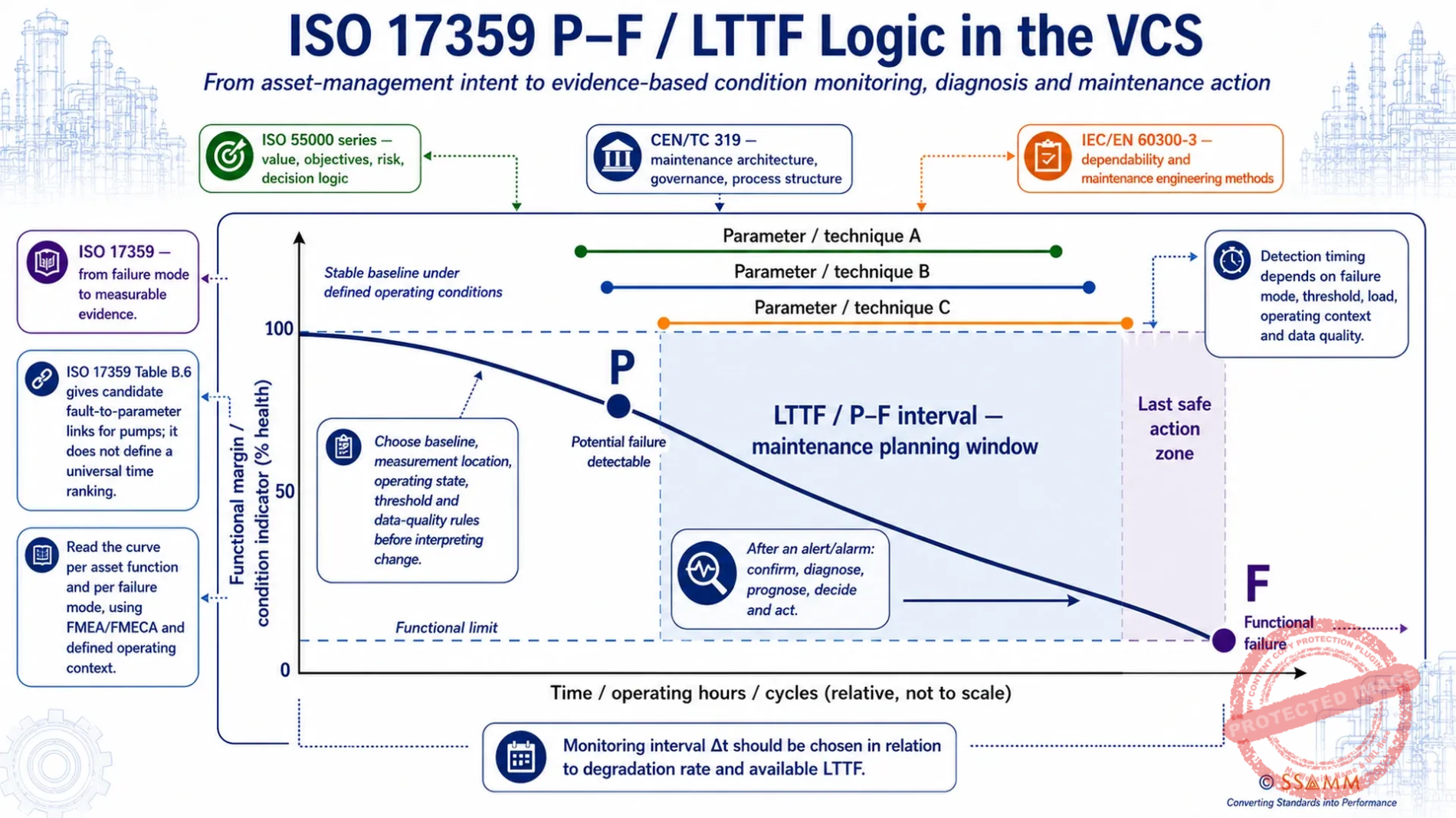
In this eighth article, Jan Stoker explains why Reliability Centred Maintenance — RCM still matters within the wider standards landscape of ISO 55000, CEN/TC 319 and IEC/EN 60300-3. The article shows that RCM is not simply a method for creating maintenance tasks. It is a disciplined decision framework that connects required functions, functional failures, failure modes, effects, consequences and maintenance policies.
The central message is that a maintenance task is only defensible when it can be traced back to a required function, a credible failure mode and a consequence the organisation understands. RCM helps explain why a task exists, why an interval is chosen, when condition-based maintenance is justified, when redesign is needed, and when run-to-failure can be a professional decision.
The article also reflects on the RCM literature tradition — from Nowlan and Heap to Moubray, NASA, Smith and Hinchcliffe, Basson, SAE JA1011, SAE JA1012 and IEC/EN 60300-3-11 — and discusses AI as support, not as a replacement for standards, literature, field knowledge and professional judgement.
In short: RCM turns failure knowledge into defensible maintenance decisions and connects maintenance, reliability and asset management to value, risk, performance and life-cycle improvement. Click Here
9. From Standards to Value: Maintainability and Maintenance in the VCS Line of Sight
In this ninth article, Jan Stoker explains why maintainability is a strategic condition for successful maintenance, reliability and asset management. The article focuses on IEC/EN 60300-3-10 — Maintainability and Maintenance and shows that many maintenance problems are created long before the first work order is written.
Maintainability is the ability to retain or restore an asset so it can perform as required, under real operating conditions. That means access, diagnostics, tools, spare parts, procedures, competence, information and maintenance support must be considered already during design, procurement, commissioning and modification.
The article explains why the standard combines both words: maintainability and maintenance. Maintainability creates the conditions; maintenance tests those conditions in practice. Together they form the learning loop from design intent to effective maintenance and life-cycle improvement.
In short: maintainability turns design intent into maintenance reality and connects ISO 55000, CEN/TC 319 and IEC/EN 60300-3 into one practical line of sight from asset requirements to life-cycle value. Click Here
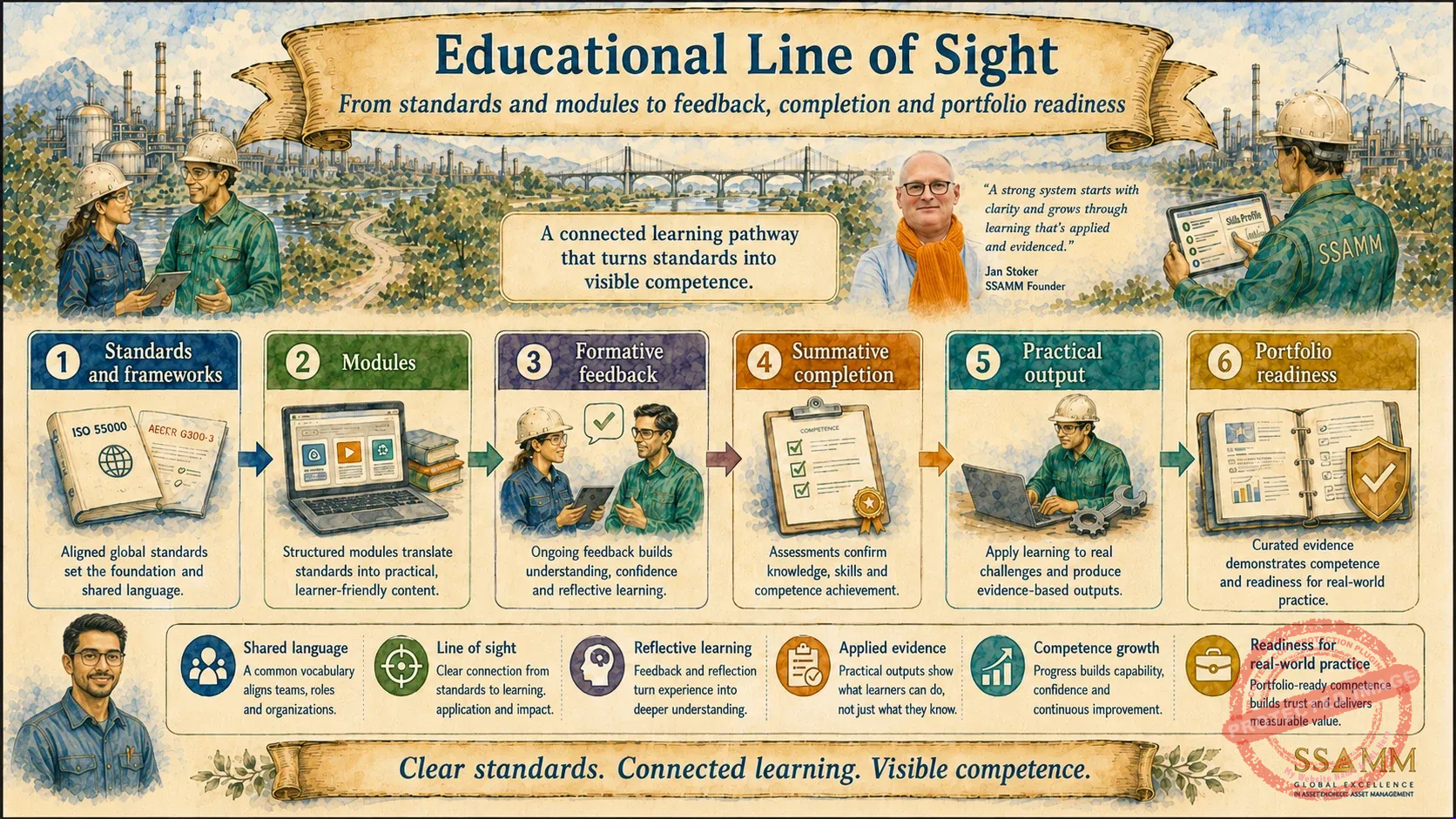
10. The Educational Line of Sight: A practical Answer to making Asset management work
SSAMM Congress Visuals